
The complete guide
Using Garden Fleece Through Winter
Fleece is the simplest and cheapest way to get tender plants through a cold snap, but it works best used the right way.
What fleece actually does
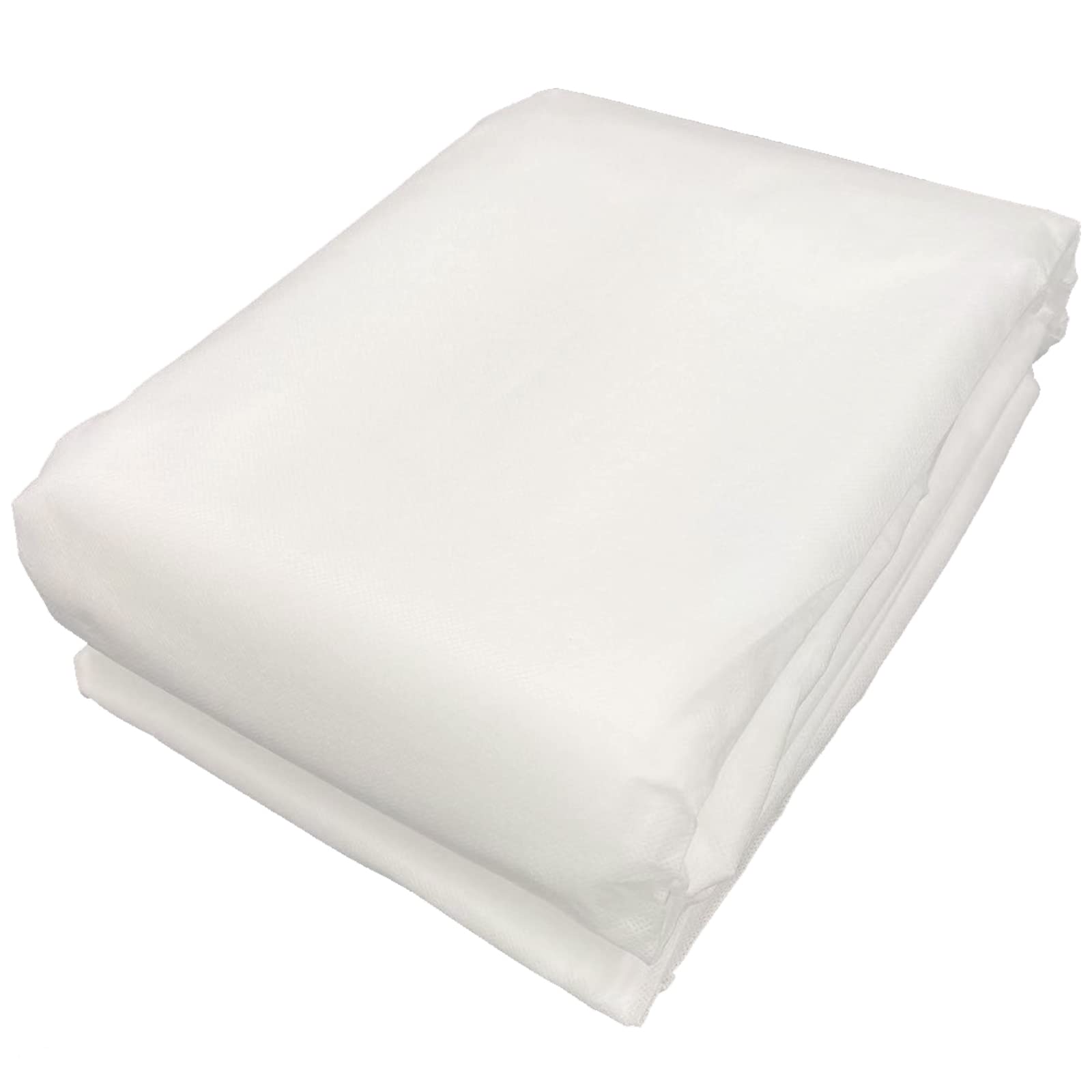
Horticultural fleece is a light, non-woven fabric that traps a thin layer of warmer air around the plant it covers. That buffer typically raises the temperature immediately around the plant by a few degrees compared to open air, enough to make the difference between frost damage and a plant that comes through a cold night unharmed.
When to use it
Fleece earns its keep on tender or borderline-hardy plants, young shrubs still establishing, and anything recently potted on or planted out that has not yet built up cold tolerance. It is not generally needed on fully hardy, established plants, which cope with normal UK winter temperatures without help.
How to fit it
Drape the fleece loosely over the plant rather than pulling it tight, leaving room for the trapped air layer to actually form. Peg, clip or weight the edges down so wind cannot get underneath and lift it off overnight, which is when the protection matters most.
Leaving it on vs taking it off
Because fleece still lets light and rain through, it is generally fine to leave in place for extended cold spells rather than removing it every morning. That said, checking on covered plants periodically and lifting the fleece on any milder, sunny days avoids the plant getting too warm and encourages good airflow.
Getting more than one winter out of a roll
Fleece is inexpensive but not indestructible. Taking it down between cold snaps, letting it dry fully, and storing it away from direct sun will get you several winters of use from one roll rather than replacing it every year.