
The complete guide
How Much Shade Cloth Do I Need?
Shade cloth is sold by shading percentage, and choosing the right one makes a real difference to how your plants perform. Here is how to think about it for a cold frame lid, narrow bed or single pot group.
What the percentage actually means
The percentage on a shade cloth is roughly how much direct sunlight it blocks. A 30% cloth still lets most light through with only mild protection from the harshest sun. A 90% cloth blocks the great majority of direct light, useful for shade-loving plants or brutally hot conditions, but too heavy for most fruiting vegetables.
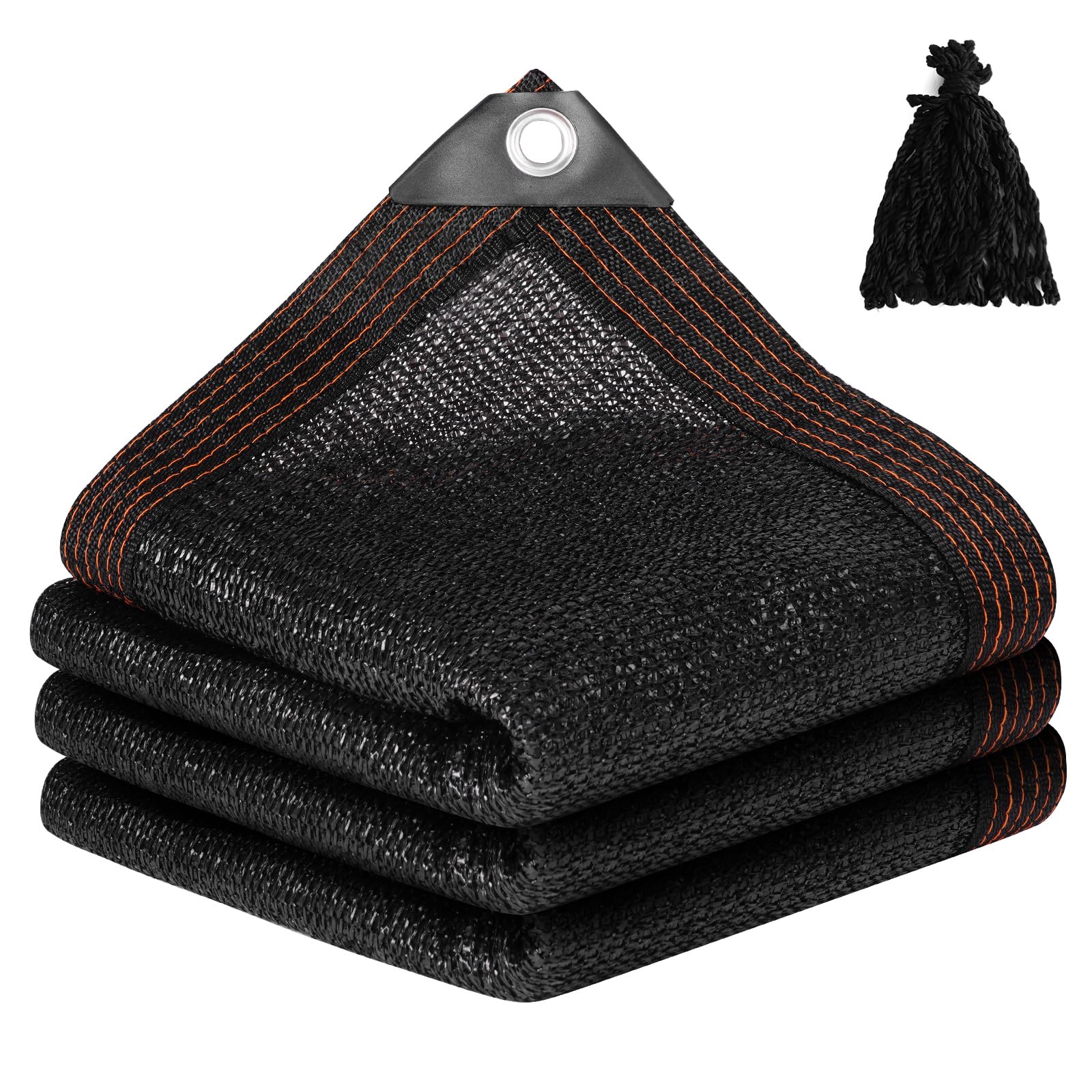
This product: 90% shading
At 90%, this cloth is suited to a cold frame lid, narrow bed or single pot group. It sits at the heavier end of the range, best suited to shade-loving plants, very hot or exposed spots, or simply making an outdoor space usable at midday.
Matching shade rate to crop
As a rough guide: leafy salad crops and seedlings often prefer lighter shading (30-40%) so they keep strong light levels. Tomatoes, cucumbers and general greenhouse crops commonly do well under 40-55% through the hottest weeks. Shade-tolerant ornamentals, ferns and anything struggling in a very hot, exposed spot often benefit from 70-90%.
Fitting shade cloth well
Drape or tension the cloth clear of the leaves rather than resting directly on the plants, using a frame, hoops or the structure itself. Leave enough slack that air can still circulate underneath, since shade cloth manages light and heat, not airflow, and good ventilation still matters for healthy growth.
When to take it down
Most growers fit shade cloth for the hottest stretch of summer and remove it once temperatures ease, since permanent shading through spring and autumn can leave plants short of light when they need it most. Taking it down between uses and storing it dry also extends how many seasons you get from the same panel.